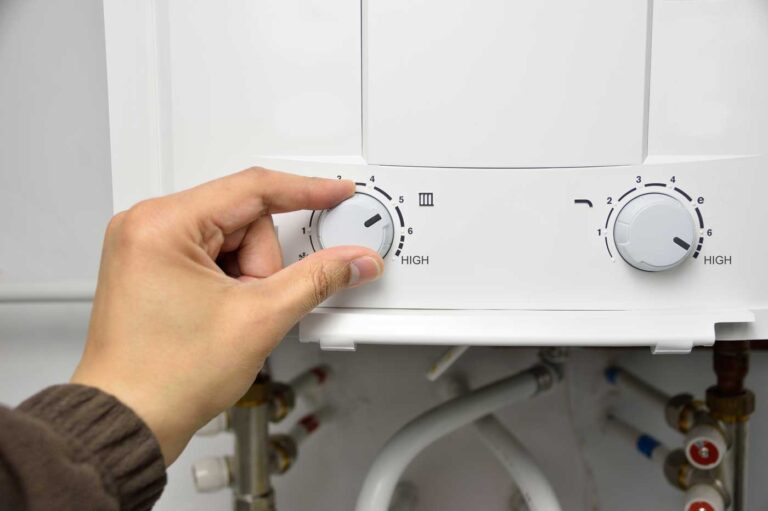
Running Out of Hot Water Mid-Shower? There’s a Better Way
If your morning routine depends on being first in line for hot water, or if you have ever felt that sudden cold blast halfway through rinsing off, you already understand the limits of a traditional storage tank water heater. These systems hold a fixed amount of hot water, and once it runs out, you wait for the tank to heat another batch. For a growing family, a busy household, or a home with back-to-back showers and laundry, that limit becomes a daily frustration.
A tankless water heater solves this problem in a fundamentally different way. Instead of storing and reheating a reservoir of water, it heats water on demand as it flows through the unit. At McCoy's Heating & Air, we install and service tankless systems for homeowners throughout Henderson, TN who want endless hot water, lower standby energy loss, and equipment that takes up far less space. Below, we walk through how these systems work, where they make the most sense, and what you should expect when you upgrade.
How a Tankless Water Heater Actually Works
When you open a hot water tap, cold water travels into the tankless unit and passes across a heat exchanger. A gas burner or electric heating element activates instantly and raises the water to your target temperature before it reaches your faucet, shower, or appliance. Because the unit only heats water when you call for it, there is no large tank sitting in your utility room losing heat around the clock.
The performance of a tankless system is measured in flow rate, expressed in gallons per minute, and in temperature rise, which is the difference between the incoming water temperature and the temperature you want at the tap. In our part of West Tennessee, groundwater entering the home is cooler during winter months, which increases the required temperature rise. This is why proper sizing matters so much. Our technicians at McCoy's Heating & Air calculate the combined demand of every fixture likely to run at the same time, then match a unit that delivers consistent output even on the coldest mornings.
Gas-fired tankless models are common because they produce the high heat output needed to serve multiple fixtures at once. Electric models work well for smaller homes, additions, or point-of-use applications. We help you weigh fuel type, venting requirements, and electrical capacity so the system you choose fits both your home and your habits.
When a Tankless Upgrade Makes the Most Sense
Not every situation calls for the same solution, so it helps to look at the scenarios where tankless technology truly shines. Here are several situations we see often in Henderson, TN and the surrounding communities.
- Large or growing households: When several people shower in the morning and someone starts the dishwasher before work, a traditional tank often cannot keep up. A properly sized tankless unit delivers continuous hot water so no one gets left in the cold.
- Homes short on space: A tankless unit mounts on a wall and is roughly the size of a carry-on suitcase. If you want to reclaim floor space in a garage, closet, or utility room, removing a bulky 50-gallon tank frees up a surprising amount of room.
- Owners focused on long-term efficiency: Because tankless systems eliminate standby heat loss, they often use less energy than storage tanks that constantly reheat water you are not using. Over the lifespan of the unit, that difference adds up.
Vacation homes and rental properties also benefit, since a tankless unit uses no energy when the home sits empty between guests. Likewise, households that have simply outgrown their current tank find that a tankless upgrade removes the daily bottleneck without forcing a larger, heavier replacement into the same tight space.
The Installation Process We Follow
Replacing a storage tank with a tankless system involves more than swapping one box for another. The installation touches your gas line or electrical panel, your venting, and sometimes your water lines. Our approach is methodical because shortcuts here lead to performance problems later.
We begin with an in-home evaluation and a free estimate. During this visit, we review your hot water usage, inspect your existing connections, and confirm whether your gas supply and venting can support the new unit or whether upgrades are needed. Gas tankless models often require a larger gas line and dedicated venting that safely routes exhaust outdoors, while high-efficiency condensing units manage both exhaust and condensate drainage. We account for all of this before any work begins.
On installation day, our EPA certified and NATE certified technicians remove the old equipment, prepare the mounting location, run the necessary gas, water, and venting connections, and secure the unit. We then test the system under real demand, verify the temperature rise at the tap, and walk you through operation and maintenance. Because we service all makes and models, you can count on consistent support whether we installed your original equipment or not.
Keeping Your Tankless System Performing
Tankless water heaters are durable, often lasting well beyond the service life of a conventional tank, but they do need routine care to stay efficient. The most important maintenance task is descaling, which removes mineral buildup from the heat exchanger. Hard water accelerates scale formation, and left unchecked, that buildup restricts flow and forces the unit to work harder.
During a maintenance visit, our team flushes the heat exchanger, cleans or replaces the inlet filter, inspects the venting and gas connections, and confirms the unit is firing and modulating correctly. Regular service protects your warranty, preserves efficiency, and catches small issues before they become expensive repairs. Here is what consistent maintenance typically delivers:
- Steady hot water output: A clean heat exchanger maintains the flow rate and temperature you expect, even years after installation.
- Lower operating costs: Scale and debris make any system work harder, so routine cleaning keeps energy use in check.
- Longer equipment life: Addressing wear early prevents the kind of strain that shortens the lifespan of the unit.
If you ever notice fluctuating temperatures, error codes on the display, or reduced flow, those are signs the system needs attention. Our plumbers and HVAC technicians diagnose tankless issues accurately so you are not guessing about what your unit needs.
Why Homeowners Trust McCoy's Heating & Air
McCoy’s Heating and Air has provided quality service in the Jackson area and West Tennessee since 1981. We remain locally owned and operated after more than 45 years, and that local presence means we understand the climate, water conditions, and homes in Henderson, TN and across Jackson, Humboldt, Henderson, Alamo, Bells, Cedar Grove, and Medina, TN. We are dedicated to taking care of both our employees and our customers, and that commitment shows in our work.
We promise high-quality products installed and serviced by professionals. Our technicians are factory trained, EPA certified, and NATE certified, so the work on your tankless water heater meets the standards the equipment demands. Customer satisfaction is our number one concern, which is reflected in nearly 2,000 five-star Google reviews and our A+ rating with the Better Business Bureau. Whether you need a new tankless installation, a replacement for an aging tank, or ongoing maintenance, our experienced team is ready to help.
Beyond water heaters, our plumbers handle the full range of plumbing needs your home may have, and our HVAC team covers heating repair, AC installation, and complete system service. When you choose McCoy's Heating & Air, you get free estimates, honest recommendations, and a crew that treats your comfort and safety as the priority. If you are ready to stop running out of hot water, reach out and let us help you find the right tankless solution for your home.