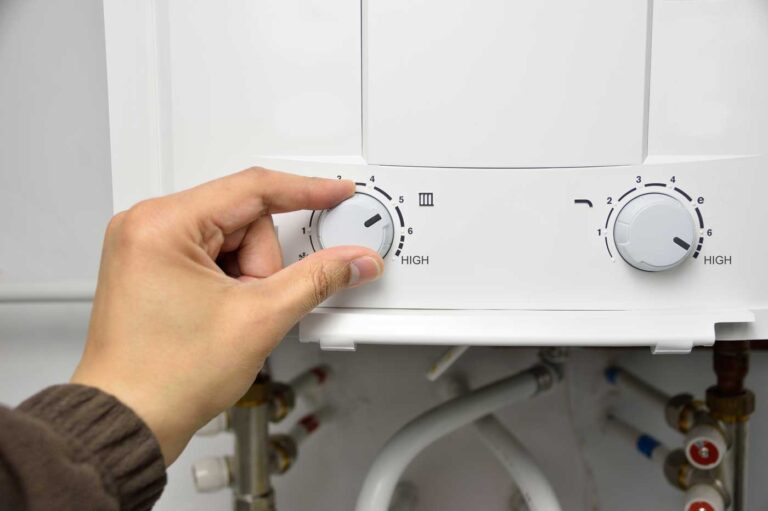
Endless Hot Water Without the Bulky Tank: A Smarter Choice for Medina Homes
Picture the last morning when the hot water ran out mid-shower because someone ran the dishwasher and a load of laundry at the same time. With a traditional storage tank, that scenario is built into the design. Once the reservoir empties, you wait for it to refill and reheat. A tankless water heater changes this entirely by heating water only when you call for it, which means the supply keeps flowing as long as you need it. For households in Medina, TN that juggle busy schedules and multiple hot water demands, this shift in technology solves a very practical problem.
At McCoy's Heating & Air, we install and service tankless systems that match the way your home actually uses water. Instead of keeping 40 or 50 gallons heated around the clock, a tankless unit activates its burner or heating element the moment a fixture opens. That difference in operation affects energy use, available space, and the comfort of everyone under your roof. Below, we walk through how these systems work, where they make the biggest difference, and what you should know before making the switch.
How a Tankless Water Heater Actually Heats Your Water
The core principle is on-demand heating. When you turn on a hot water tap, a flow sensor inside the unit detects the movement of water and signals the system to fire up. In a gas-fired model, a burner ignites and transfers heat through a heat exchanger as water passes through. In an electric model, high-capacity heating elements warm the water as it flows past. Because the water is heated as it travels through the exchanger, there is no reservoir cooling down and reheating during the day.
Flow rate and temperature rise are the two numbers that define whether a tankless unit can meet your needs. Flow rate is measured in gallons per minute, and temperature rise is the difference between your incoming groundwater temperature and your target output temperature. In West Tennessee, incoming water is cooler during winter months, which increases the required temperature rise and affects how many fixtures a single unit can serve at once. When our technicians size a system, we calculate your peak simultaneous demand and match it to a unit that delivers steady output even during the coldest part of the year.
Where Tankless Systems Make the Biggest Difference
Not every home uses hot water the same way, so the advantages of going tankless show up differently depending on your situation. Here are several scenarios where we see homeowners benefit most after an installation:
- Large and growing families: When multiple showers, a dishwasher, and a washing machine compete for hot water, a properly sized tankless unit keeps up without the cold surprises that empty a storage tank.
- Homes with limited space: A tankless unit mounts on a wall and takes up a fraction of the footprint of a tank. This frees up closet, garage, or utility room space for storage or other equipment.
- Vacation or part-time residences: Since there is no tank of water being kept hot while nobody is home, standby energy loss drops significantly during long periods of low use.
- Energy-conscious households: By eliminating the constant reheating of stored water, many homeowners see a reduction in the portion of their utility bill tied to water heating.
- Older homes with aging tanks: Replacing a corroded, leak-prone tank with a tankless system removes the risk of a sudden tank rupture flooding a floor or basement.
Each of these situations calls for a slightly different approach to sizing and placement. Our team evaluates your fixture count, water usage patterns, and existing plumbing before recommending a specific unit, so the system you receive fits the home it serves.
Gas Versus Electric: Choosing the Right Fuel Source
Gas-fired tankless water heaters generally deliver higher flow rates, which makes them well suited to larger homes with several bathrooms. They require proper venting to exhaust combustion gases, and condensing models capture additional heat from those gases to improve efficiency. When we install a gas unit, we verify that your gas line can supply enough fuel and that venting routes meet code and manufacturer requirements.
Electric tankless units avoid the need for venting entirely and tend to be more compact, making them a strong option for smaller homes, additions, or point-of-use applications near a single fixture. They do draw significant electrical current, so the existing panel and wiring must support the load. Our electricians and technicians assess your electrical service capacity before recommending an electric model, so you avoid tripped breakers or undersized circuits that limit performance.
Installation and Why Professional Sizing Matters
A tankless water heater is only as good as its installation. Undersizing leads to lukewarm water during peak demand, while oversizing wastes money and creates short-cycling. The process begins with a load calculation that accounts for every hot water fixture, the likelihood of simultaneous use, and the seasonal temperature swings in Medina. From there, we address the mechanical details: gas supply or electrical capacity, venting, water connections, and sometimes a condensate drain for high-efficiency condensing models.
Hard water is another factor we plan for. Mineral buildup inside the heat exchanger can reduce efficiency and shorten the life of the unit over time. We often recommend periodic descaling or a water treatment solution to protect your investment. Because we service all makes and models, our team can maintain whatever unit you choose, keeping it running at full capacity for years. McCoy's Heating & Air also provides free estimates, so you can understand the scope of a tankless project before committing.
Maintenance That Protects Your Investment
Tankless systems are built to last longer than traditional tanks, often well beyond a decade with proper care. Regular maintenance keeps them performing at that level. During a service visit, our technicians flush the heat exchanger to remove mineral scale, inspect the burner or heating elements, check the venting for obstructions, and verify that flow sensors and temperature controls respond correctly. These steps catch small issues before they grow into performance problems or breakdowns.
We recommend an annual service, particularly in areas with harder water. Staying ahead of scale buildup preserves efficiency and keeps your energy use predictable. If you ever notice a drop in water temperature, inconsistent flow, or an error code on the unit’s display, our team can diagnose the cause and restore full operation quickly.
Why Homeowners Trust McCoy's Heating & Air
We have provided quality service in the Jackson area and across West Tennessee since 1981, and we remain locally owned and operated to this day. Forty-five years in business has given us a deep understanding of the homes, water conditions, and comfort needs throughout the region, including Jackson, Humboldt, Henderson, Alamo, Bells, Cedar Grove, and Medina, TN. That experience shows in every tankless installation and service call we complete.
Our technicians are EPA certified, NATE certified, and factory trained, and we hold an A+ rating with the BBB. Customer satisfaction is our number one concern, something reflected in nearly 2000 five-star Google reviews from the families and businesses we serve. We promise high-quality products installed and serviced by professionals who treat your home with care. Beyond heating and cooling, our experienced plumbers handle the full range of plumbing needs your home may have, which makes a tankless water heater project straightforward from start to finish.
If you are tired of running out of hot water, reclaiming space from a bulky tank, or simply want a more efficient way to heat water, reach out to McCoy's Heating & Air. We will evaluate your home, explain your options clearly, and recommend a tankless solution sized for the way you actually live.