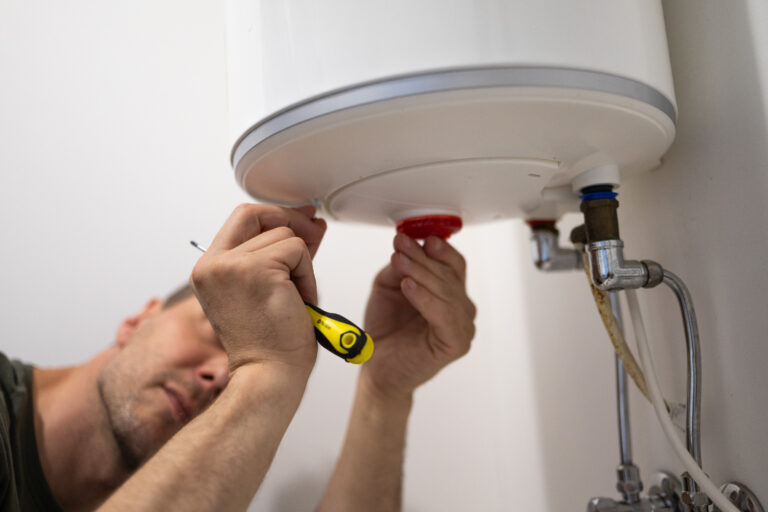
A puddle of water forming under your tank is rarely the first sign of trouble. By the time you notice standing water, the problem has usually been building for weeks or months. Recognizing the early warnings gives you the chance to act before a minor issue turns into a cold-shower emergency or water damage to your floors and walls.
At McCoy's Heating & Air, our plumbers respond to water heater calls across Jackson and the surrounding region every week. Many of those calls could have been handled earlier, at lower cost and less disruption, if the homeowner had known what to watch for. Below, we walk through the warning signs in the order they typically appear, explain what causes them, and describe what our team does about each one.
Changes in Water Temperature and Supply
The first clues usually show up at the faucet. Water that takes longer to heat, runs out faster than it used to, or swings between hot and cold without warning points to a water heater that is losing capacity. These symptoms often develop gradually, which is why many homeowners adjust their habits without realizing a repair is overdue.
Inconsistent temperature frequently traces back to a failing heating element in an electric unit or a faulty thermostat in either electric or gas models. Sediment buildup at the bottom of the tank also plays a role. As minerals settle and harden, they create a barrier between the burner and the water, forcing the system to work harder while delivering less. When our technicians diagnose a temperature complaint, we check the thermostat calibration, test the elements or burner, and inspect the dip tube that routes cold water to the bottom of the tank.
Unusual Noises From the Tank
A healthy water heater runs quietly. When you start hearing rumbling, popping, or crackling sounds, the tank is telling you something. These noises almost always come from sediment that has accumulated over time. As the burner heats the water, trapped pockets of steam force their way through the hardened layer, producing the popping sound you hear.
West Tennessee water carries a fair amount of minerals, and over the years those minerals collect at the base of the tank. Left unaddressed, the sediment accelerates corrosion and reduces efficiency. In many cases, a professional flush restores quiet operation and extends the life of the unit. If the buildup is severe enough that the tank has begun to overheat the surrounding metal, replacement may be the safer choice. Our team flushes tanks as part of routine service and will tell you honestly whether a flush will solve the problem or whether the damage has gone too far.
Discolored or Smelly Water
Water that comes out rusty, brown, or cloudy is a strong indicator of corrosion inside the tank or the pipes feeding it. A metallic taste or a smell resembling rotten eggs points to bacterial activity or a deteriorating anode rod. The anode rod is a sacrificial component designed to attract corrosive elements so the tank itself does not rust. Once it is spent, the tank becomes the next target.
Here is how we approach discolored water complaints:
- Isolate the source: We run hot and cold water separately to determine whether the discoloration comes from the heater or the supply lines.
- Inspect the anode rod: A rod that has corroded down to the core wire needs replacement, and swapping it out can add years to the tank’s service life.
- Evaluate the tank interior: If rust has spread to the tank walls, no repair will reverse it, and we will discuss replacement options.
Addressing an anode rod early is one of the most cost-effective ways to protect a water heater. It is a small part, but neglecting it leads directly to premature tank failure.
Leaks and Moisture Around the Base
Any moisture around the base of the unit deserves immediate attention. Sometimes the cause is simple, such as a loose fitting, a leaking valve, or condensation during humid weather. Other times it signals a crack in the tank itself, which cannot be repaired and requires replacement.
Our plumbers trace leaks methodically rather than assuming the worst. We check the temperature and pressure relief valve, the drain valve, and the inlet and outlet connections before examining the tank body. The temperature and pressure relief valve is a critical safety component: it releases water if internal pressure climbs too high. A valve that drips constantly or discharges large amounts of water may indicate dangerous pressure buildup, and that is not something to ignore. If you ever see water escaping from this valve, shut off the unit and call us.
Age and Rising Energy Bills
Most conventional tank water heaters last between eight and twelve years. If yours is approaching or past that range, warning signs become more meaningful, and the risk of sudden failure rises. An older unit that still works may be costing you more than you realize in wasted energy.
Watch for these age-related indicators:
- Climbing utility bills: Sediment and worn components force the system to run longer, driving up electric or gas usage without any change in your habits.
- Frequent repairs: When small fixes start adding up, replacement often makes better financial sense.
- Visible corrosion on fittings: Rust creeping along the connections usually means the interior is in similar condition.
When a unit reaches the end of its useful life, we help homeowners weigh the options. A high-efficiency tank or a tankless system can lower monthly costs and provide more consistent hot water. Because we service all makes and models, our recommendations are based on what fits your home and usage, not on moving a particular product.
Why Prompt Attention Matters
A water heater that fails without warning can cause real damage. A ruptured tank releases dozens of gallons of water onto your floor, and the cleanup often costs more than the repair would have. Beyond the inconvenience of losing hot water, undetected gas or pressure issues create genuine safety concerns for your family.
Acting on early warning signs keeps small problems small. A thermostat replacement, an anode rod swap, or a tank flush is straightforward work when caught in time. Waiting until the unit fails removes those easier options and leaves you with an emergency instead of a scheduled repair.
Serving Homes Across West Tennessee
McCoy’s Heating and Air has provided quality service in the Jackson area and West Tennessee since 1981, and we remain locally owned and operated after 45 years. Our experienced team of plumbers can handle any plumbing need your home may have, from diagnosing a noisy water heater to installing a new high-efficiency system. We serve Jackson, Humboldt, Henderson, Alamo, Bells, Cedar Grove, and Medina, TN and the communities around them with the same standard of care.
Customer satisfaction is our number one concern, as evidenced by nearly 2000 five-star Google reviews. Our technicians are EPA certified, NATE certified, and factory trained, and we carry an A+ rating with the BBB. We offer free estimates and promise high-quality products installed and serviced by professionals who treat your home with respect.
If your water heater is showing any of the signs described here, do not wait for it to fail completely. Reach out to McCoy's Heating & Air, and we will inspect the unit, explain exactly what we find, and recommend the most sensible path forward for your home and budget.