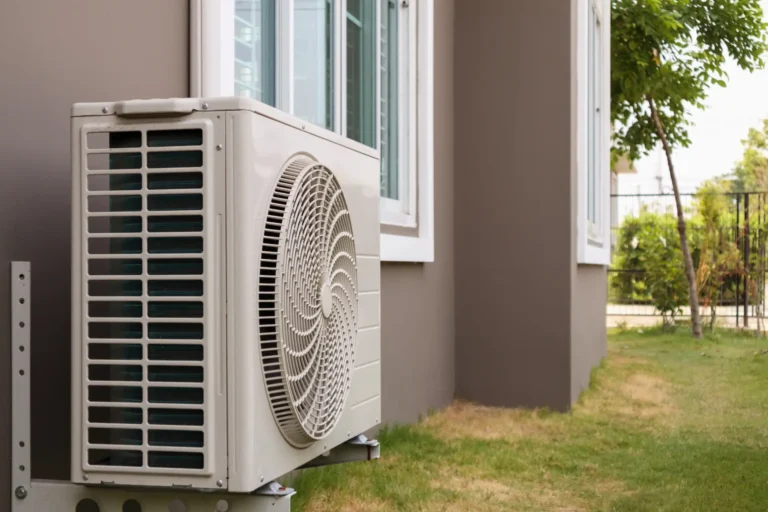
Picture a January morning in Humboldt when the temperature drops near freezing and your home needs to warm up fast before everyone starts their day. A heat pump handles that moment quietly and efficiently, pulling warmth from the outside air and moving it indoors. When summer arrives, the same unit reverses direction and keeps the house cool. This two-in-one capability is why many homeowners across West Tennessee rely on heat pumps as their primary comfort system, and it is a technology we install and service every week at McCoy's Heating & Air.
How a Heat Pump Actually Works
A heat pump does not create heat the way a furnace does by burning fuel. Instead, it moves heat from one place to another using refrigerant, a compressor, and two coils. During the winter, the outdoor coil absorbs heat energy that exists in the outside air, even when the air feels cold. The refrigerant carries that energy inside, where the indoor coil releases it into your living space. In the summer, the cycle runs in reverse, and the system takes heat out of your home and pushes it outdoors.
This process makes a heat pump one of the most efficient ways to heat and cool a home in the Humboldt climate. Because it transfers heat rather than generating it, a heat pump can deliver more energy as warmth than it consumes in electricity. Our mild winters and long cooling seasons suit heat pump technology well, which is part of why these systems have become so common across the area we serve.
Common Questions Homeowners Ask Us
When people in Humboldt consider a heat pump, they usually want to know whether the system will keep up on the coldest nights. The answer depends on the model and the sizing. Modern heat pumps perform well in our regional temperatures, and many include backup electric heat strips that engage when the outdoor temperature falls low enough to need extra help. We size and configure these systems so the backup heat only runs when it is truly needed, which keeps operating costs reasonable.
Another frequent question is about the lifespan and maintenance needs of a heat pump. Because the unit runs during both heating and cooling seasons, it works more hours per year than a system that only cools. Regular maintenance keeps it running efficiently and helps it last. With proper care, a quality heat pump can serve a home reliably for many years. We walk every customer through what to expect so there are no surprises.
Signs a Heat Pump Is the Right Choice for Your Home
A heat pump is not the only option, but there are clear situations where it makes sense. If your current system is aging and you want one unit that handles both heating and cooling, a heat pump simplifies your setup. It also appeals to homeowners who prefer electric systems over gas, or who want to lower their reliance on fossil fuels. Here are some situations where a heat pump often fits best:
- All-electric homes: If your house has no gas line, a heat pump provides efficient heating without needing to install new fuel service.
- Moderate winter climates: The Humboldt area rarely sees extended deep freezes, so a heat pump operates in its most efficient range most of the year.
- Replacing an aging dual system: Instead of maintaining a separate furnace and air conditioner, one heat pump handles both jobs.
- Interest in lower operating costs: The efficiency of heat transfer can reduce energy use compared to older heating methods.
We never push a single solution on anyone. During a free estimate, we look at your home, your current equipment, and your comfort goals before we recommend anything. Sometimes a heat pump is the clear answer, and sometimes a traditional system or a dual-fuel setup serves a home better. Our job is to give you the facts so you can decide.
How We Size and Install a Heat Pump
Proper sizing is the single most important factor in how well a heat pump performs. A unit that is too small struggles to keep up, runs constantly, and wears out early. A unit that is too large cycles on and off too often, which wastes energy and fails to control humidity well. At McCoy's Heating & Air, we calculate the correct capacity based on the square footage of your home, insulation levels, window placement, ceiling height, and other factors that affect how your house holds heat.
Once we determine the right size, our installation follows a careful sequence to make sure the system works as designed. Our factory trained and NATE certified technicians handle each step with attention to detail, and our team is EPA certified to manage refrigerant safely and legally. Here is how a typical installation moves forward:
- Site evaluation: We inspect your existing ductwork, electrical service, and the location for the outdoor unit.
- Load calculation: We confirm the proper system size based on your home’s specific characteristics.
- Removal of old equipment: We disconnect and remove the existing system and recover any refrigerant responsibly.
- Setting the new unit: We position the outdoor condenser and install the indoor air handler or coil.
- Connections and charge: We connect refrigerant lines, electrical wiring, and thermostat controls, then charge the system to the manufacturer’s specification.
- Testing and walkthrough: We run the system in both heating and cooling modes, verify performance, and show you how to operate it.
Technical Details That Affect Performance
When you compare heat pumps, a few specifications tell you how the system will behave. The SEER2 rating measures cooling efficiency, while the HSPF2 rating measures heating efficiency. Higher numbers mean the unit uses less energy to deliver the same comfort. Variable-speed compressors and multi-stage operation allow a heat pump to run at lower capacity most of the time, which holds temperatures steady and reduces noise. We explain these ratings in plain terms so you understand what you are paying for and what you are getting.
Refrigerant type matters as well. Newer systems use refrigerants designed to meet current environmental standards, and our EPA certified technicians handle these materials according to all regulations. Thermostat compatibility is another detail we address, since many heat pumps work best with controls that manage staging and backup heat intelligently. We make sure every component works together as a complete system rather than a collection of parts.
Why Homeowners Trust Us With Their Heat Pumps
McCoy’s Heating and Air has provided quality service in the Jackson area and West Tennessee since 1981. We remain locally owned and operated, and after 45 years and counting, we have built our reputation on doing the work right. We hold an A+ rating with the BBB, and our commitment to customer satisfaction shows in nearly 2,000 five-star Google reviews. We service all makes and models, and we offer free estimates on new installations.
Beyond installation, we support your heat pump for its entire service life with maintenance and repair. A well-maintained heat pump runs more efficiently and lasts longer, so we encourage regular service visits that keep coils clean, refrigerant charge correct, and electrical connections tight. Whether you live in Humboldt or any of the surrounding communities throughout Jackson, Humboldt, Henderson, Alamo, Bells, Cedar Grove, and Medina, TN, our team is ready to keep your home comfortable in every season. We promise high-quality products installed and serviced by professionals who treat your home with respect. Reach out to McCoy's Heating & Air when you are ready to talk about a heat pump that fits your home and your budget.